The baking realm is like a strange trip for your senses merging old ways with new food twists. Imagine a baker who squishes, spins, hawks, and shakes—they show the odd life of bread from seed to slice. By 2026, cool baked stuff is super loved, so folks want real foods over robot snacks more than ever. This deal isn’t just some cook-up; it is a wild mix of goo and hustle turning plain stuff like dust, wet, and puff into great soul food. If you are a boss cook with fancy tools or a small space fan, kneads rolls sells sifts these rules gets you tasty treats like warm bread, light swirls, or sweet rolls.
Perfecting the Dough The Importance of Kneading
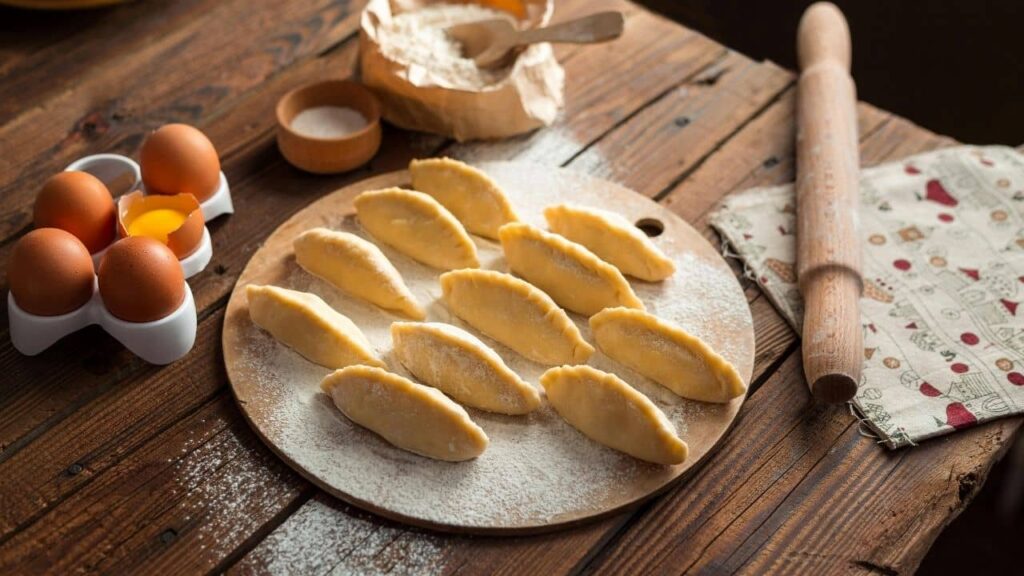
kneads rolls sells sifts dough could seem like the trickiest bit of bread baking, but it really affects how well bread keeps shape and its yummy texture. When bakers use hands or a neat mixer to push, extend, and fold dough, they’re shaking up gluten bits in flour, which builds a bendy web that will snare air. Bubbles come from the yeast eating sugars, and without the strong web to hold them tight inside, bread would be a bummer, a flat thing and not nice and airy. Currently, in the bread world of 2026, bakers do slow rising and gentle folds, which help dough get tough over hours, so bakers’ arms don’t get too worn out. This stage feels like magic when sticky goo turns to smooth silk, shaped into a ball that’s now ready to swell up and be the tasty treat we all dream of.
Shaping Success How Professionals Roll the Dough
The next phase is smoothing the mix, where skills become clear. After the dough puffs up just right, change it to form. Maybe make a thin sheet for flaky bread, or loop it tight for sweet rolls. Be smooth and soft when touching it. Too much hard push can hurt the air inside that makes good bread. Cool tools are here that help make dough great, but knowing the feel comes from trying much more. Each roll or palm pat makes the bread even, so it cooks good and looks great when done.
The Final Exchange Why Quality Goods Sell So Fast
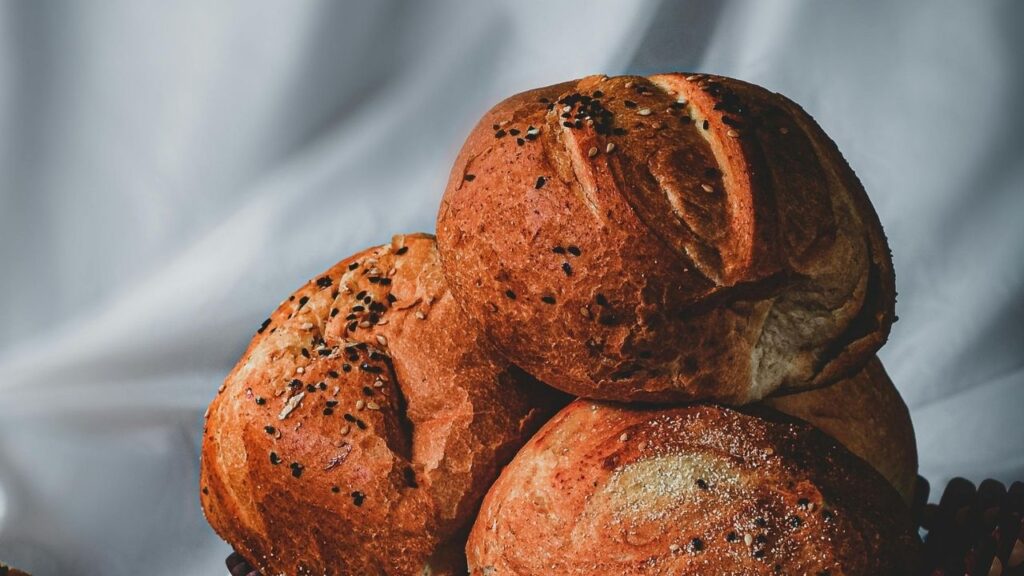
Every cool kitchen dreams to bake stuff so yummy it practically sells itself right off the rack. Now, folks don’t just want bread wrapped in plastic that tastes like old boxes; they crave stories and the cozy smell from bakeries nearby. Places such as Kneads Bakery nail this, proving goods have real care and awesome local stuff inside. If treats vanish quick, it means super fresh stuff made by bakers who worked when everyone was asleep. Selling links the baker’s quiet work to the happy buzz of the customer, keeps the dough rolling, and keeps the bakery going to feed folks nearby.
Refining the Texture The Secret Behind Sifting
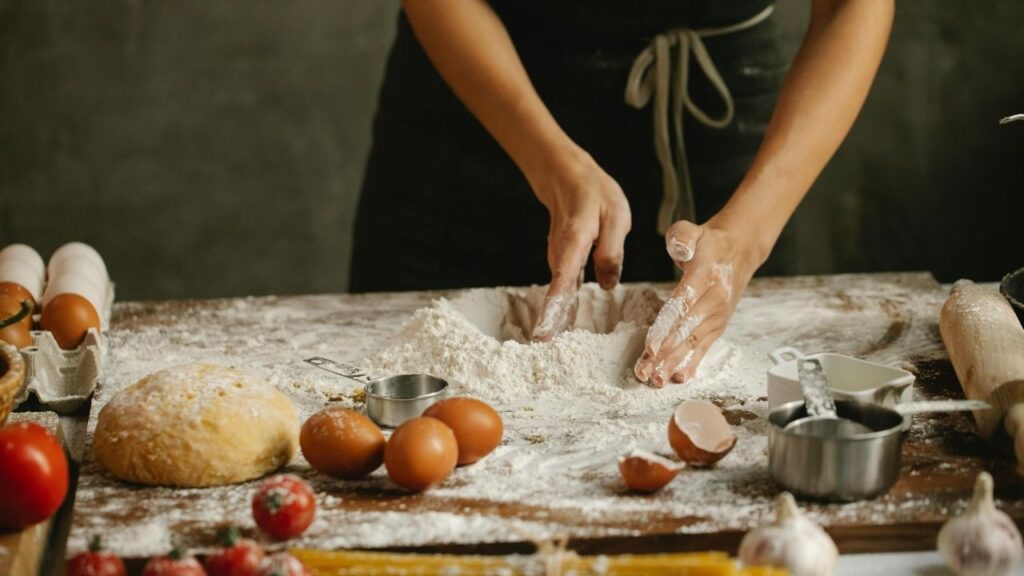
Many new cooks miss straining flour, but it’s the trick of the best pastry cooks and bakers. Sieving flour, cocoa, or sugar gets rid of hard clumps and adds air to the mix. This makes cakes and biscuits lighter and softer. In 2026, sifting is back as bakers use “magic grains” and old wheats. These flours clump more than white flour. Some breads don’t need it, but fine recipes like sponge cake get better. This easy step makes sure all parts mix well in the batter. It stops dry flour spots that spoil treats, so the food seems perfect.
The Cultural Connection Puzzles, Puns, and Baking Games
“Pokes, spins, swaps, shakes”—this odd group has jumped out of warm. Kitchens and now hides in our funny world of phone games, cool apps, and brainy word tricks. Ever lost hours tapping on Cookie Jam or playing daily guessing games online? Then, you know these words pop up as sneaky hints pointing to jobs of baking masters. These four moves are super special and flow together just so, flashing scenes of white flour spills, wood boards. And that cozy oven smell first thing in morning.
Away from phone screens, these exact words form the base for joke-filled shop names that stick in heads, like Knead & Seed; such word fun grabs the focus of bellies ready to be filled. This crazy mix shows baking means way more than making grub; it’s like a world talk of ease, memories, plus fun, touching folks whether wrists deep in flour or just cracking puzzles using their phones.
Modern Technology and the Future of the Traditional Baker
As we peek into 2026, how a baker touches, mixes, and ships bread is getting nudged by new gizmos, but the main rules are still pretty much the same. Now, we find clever ovens that share live news on a loaf’s “bounce” and apps that link bakers to folks nearby for drop-offs, so no bread gets tossed. Though stuff gets fancier, a baker just knows when dough is ready or how light to dust flour; machines can’t quite nail that feel. Today’s baker is part geek, part painter, and town hero, using cool tools to boost what humans did for ages. This mix keeps kneads rolls sells sifts and fun for new food fans who want easy tech and the real love in bread made by human touch.
Why Quality Ingredients Change the Way We Bake
The stuff a baker grabs, twists, and sells to folks matters as much as how they bake it. Now, food is changing a lot; old grains, pure kneads rolls sells sifts, and wild yeast are hot, which messes with how flour acts when mixed. These good things take more work since they lack the fake stuff in normal flours, so bakers matter even more. If a baker uses flour from nearby, they help nature and make food taste richer, which big shops can’t do. This love for quality makes a normal bakery special, turning bread into a treat that folks love to buy and eat.
Final Thoughts on the Baker’s Journey
To get real good where you knead, shape, sell, and play with dough is to join one of the most ancient and cool things people have done. Every bread shows a tale of dirt where stuff grew, waiting for it to bubble, and how good the shaper is. As we zoom to 2026, the “chill food” vibe keeps nudging us that some stuff needs time and sweat to get right. Either you’re on Cookie Jam seeing words like a fun brain game, or at the shop for a hot bread stick, these four things—kneading, rolling, selling, and sifting—mean you care a lot. They’re the heart of the bake place, keeping the old oven art alive, changing, and linking folks at meals for years ahead.
Quick Guide The Four Pillars of the Baking Industry
This chart shows how each step helps make the yummy stuff you see at the bakery. If you get what makes them apart, folks who bake at home can dig the cool tricks that go into the sweets they love.
| Action | Primary Function | Scientific/Practical Impact | Key Tools Used | Modern 2026 Trend |
| Kneading | Developing Structure | Aligns gluten proteins to create a stretchy web that traps air. | Hands, Bench Scrapers, Spiral Mixers | “No-knead” long fermentation and “Stretch & Fold” methods. |
| Rolling | Shaping & Sizing | Evens out dough thickness and creates specific forms like spirals or layers. | Marble Rolling Pins, Dough Sheeters | Geometric pastries and high-precision “Cube” croissants. |
| Selling | Commerce & Community | Connects the artisan’s labor to the consumer; ensures product freshness. | POS Systems, Display Cases, Delivery Apps | Micro-bakery subscriptions and “Direct-to-Door” warm bread apps. |
| Sifting | Refining Texture | Aerates dry ingredients and removes lumps for a lighter, smoother crumb. | Fine-mesh Sieves, Mechanical Sifters | Use of heirloom and “Ancient Grain” flours that require extra aeration. |
FAQ’s
1. Why is the phrase “kneads, rolls, sells, sifts” so popular in 2026?
This certain lineup has become super famous because it acts as a regular fix and hint within phone riddle games such as Cookie Jam. Aside from just games, these very words nail the whole “story” of what bakers do daily—from all the hard work of making dough to when folks buy it. It’s now a quick way for bakers and game fans to speak about the key job that bakers who love making bread do.
2. Can I skip sifting if I’m using modern, high-quality flour?
Even though milling is now quite fancy, folks should still sift in 2026, mostly when using grains such as spelt. Sifting isn’t only for removing old bugs; it helps add air. If you want pastries that seem to vanish in the mouth, spending a little time to sift dry stuff stops heavy, bumpy things.
3. What happens if I over-knead my dough?
Kneading lots by hand? Not really a thing, but super simple if you own a powerful stand mixer. Should you push the dough too far, gluten gets all tense, tight, and stubborn, making a baked loaf that’s rough, like rubber, and tires out your jaw. Kneading aims for the “windowpane”—stretch dough till light shines without rips—but once there? Kick back, let that dough just chill.
4. Is rolling dough by hand better than using a machine?
By 2026, some old shops would rather roll by hand when doing tiny amounts because bakers can “sense” the bubbling. If the batter fights back or seems hard, a person halts and lets it chill, but a robot may push it and break its form. Though, for flaky batter like croissants, robot flatteners often make those super skinny, samey layers that you almost can’t get just right using only a roller.
5. How are local bakeries changing the way they “sell” to customers today?
Baking’s “selling” vibe has grown into being clear and super nearby. Folks these days like knowing just where their flour got crushed and who made their loaf. A lot of bake shops now use “Fresh-Alert” gadgets to tell pals the split second buns pop out. This eye on the “selling” bit means treats taste best, cutting trash and upping ties between bakers and town.